From the installation of a 25-mile-long fence in California to the wrapping of the Arc de Triomphe in fabric, the monumental artworks of the late artists Christo and Jeanne-Claude were often years in the making. These projects, often done in public spaces and sensitive natural landscapes, required dozens of governmental approvals and permits that sometimes took decades to achieve. A new exhibition in Aspen offers a rare inside look at the process behind some of the pair’s most famous works, and the unique partnership that made it all possible.
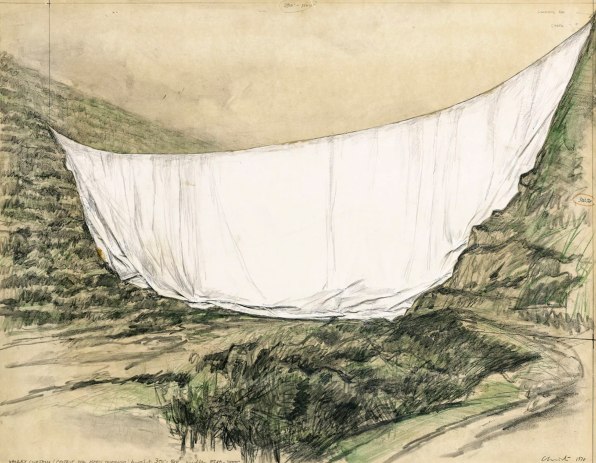
Christo and Jeanne-Claude: Ephemeral Nature opens August 1 at Aspen’s Hexton Gallery, and features some early project drawings and collages that have never been publicly shown.
“[The work] is from their personal collection,” says Bob Chase, owner of Hexton Gallery. “Not only are these works that were important to them personally, they’re also in absolutely pristine condition.”
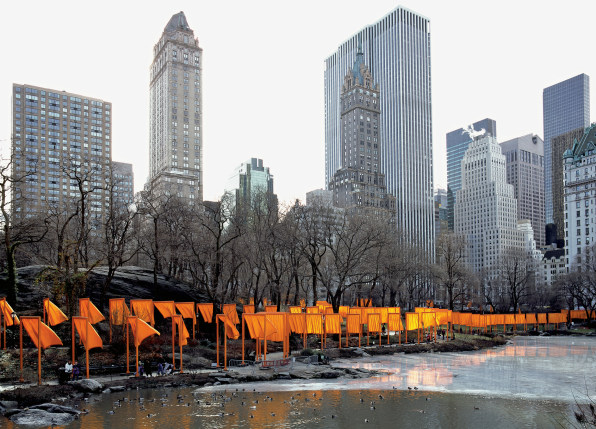
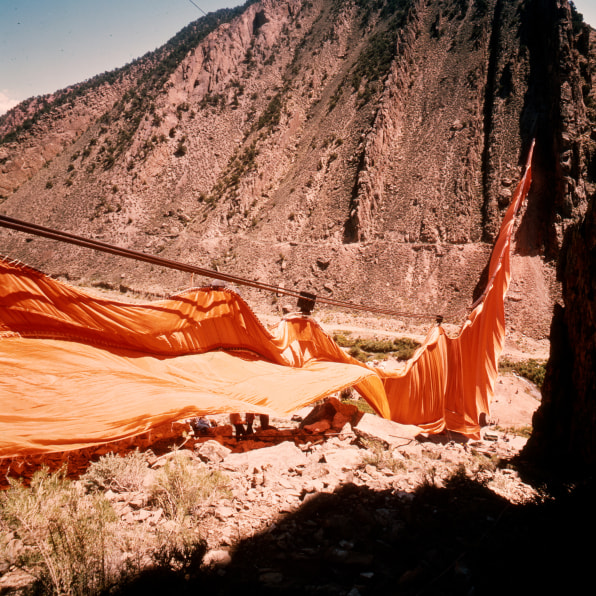
Rarely seen items in the show include early sketches for The Gates project in New York City’s Central Park and The Floating Piers built on the waters of Italy’s Lake Iseo. Some parts of the exhibition are particularly relevant to its setting in Colorado, where Christo and Jeanne-Claude pursued two different projects.
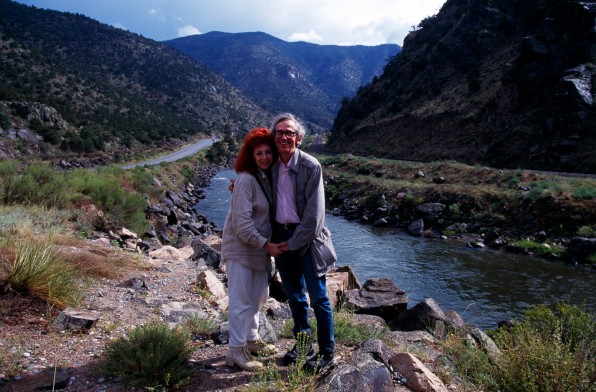
Part of that persistence, Chase says, came from Jeanne-Claude, who worked to build the case for projects and helped convince authorities to let them move forward. That made space for Christo to develop the conceptual side of the works. “He was the visionary, and she was the person to make it happen,” he says. “That partnership was really important.”



0 Response to "An inside look at the process behind Christo's monumental artworks - Fast Company"
Post a Comment